Primary vaginismus occurs when penetrative sex or other vaginal penetration cannot be experienced without pain.
Categories
Primary vaginismus occurs when penetrative sex or other vaginal penetration cannot be experienced without pain.
LUBE! Our favorite L-word (we also love lamingtons, linguini, lemonade, and love! But lube is still no.1)
Not all lubricants were made the same. This is an essential piece of knowledge to carry with you in your back pocket for when you want to impress someone at orientation or if you ever host your own trivia night. There are three schools of thought here: water-based lubricants, silicone-based lubricants, and oil-based lubricants.
 Water-based: widely available, safe to use with latex condoms, easy to wash off with soap and water, however they evaporate faster than other types, so frequent reapplication may be necessary.

Silicone-based: super slippery (which can make them especially good for non-vaginal intercourse), won’t degrade latex condoms but can damage silicone sex toys (and silicone dilators for that matter).

Oil-based: Can’t be used with latex condoms since oil degrades the latex, can get pretty messy, although, a good choice for people who are sensitive to certain additives and preservatives common in water- or silicone-based lubricants.
Choose the best lubricant for your vagina but it’s important to remember you may need more than one. For dilators, we recommend water-based lubricants as they are easily cleaned up and won’t damage your dilator no matter the material.
If you have graduated to trying penetrative intercourse with your partner (WAHOO GO YOU!) you may want to try a silicone-based lubricant instead or stick to water-based if that works for you. Just remember to reapply!
As a general rule steer clear of scented, flavored, or pimped-out lubricants, they usually have way too many additives and could cause a reaction or sensitivity to your GINA.
Not an issue for you? You enjoy that watermelon sugar sex you lucky thing!

Secondary vaginismus occurs when a person who has previously been able to achieve penetration develops vaginismus.
Some common causes of secondary vaginismus can include:
Remember that episode where Monica told Rachel and Phoebe that she was experiencing pain during sex and didn’t know what to do?
Yeah me neither! It’s easy to feel let down, confused and isolated and that’s why it’s important to be able to talk with and seek guidance from a professional.
Sex therapy is a specialized category of clinical therapy, specializing in handling issues with sexual function, sexual relationships, sexual concerns, and sexual expression.
Many people seek the services of a sex therapist for different reasons.
Couples invest in it because they might not be enjoying the sexual intimacy they once had. A patient might want to find a cure for painful sex, intimacy after childbirth, changes in libido, or orgasm. Sexual therapists can help with experiences of trauma, rape, and assault.
The thought of seeing a sex therapist can be scary, embarrassing, and difficult, however having an open, safe and supportive dialogue around sexual pain is the right of every person and the best part is, sex therapists, know all about vaginismus!
Your sexual therapist can provide information about sexual anatomy, sexual response cycles you may be experiencing, and help you understand your pain and the processes your body is going through.
Your therapist can also identify, help you express, and resolve any emotional factors that may be contributing to your vaginismus.
Ok sounds good, so how do I get one and what do I do?
Your regular doctor, PFP, or gynecologist should be able to refer you to a sex therapist. Your first session will usually explore your sexual and personal background, sexual education and beliefs, and your specific concerns.
It’s ok to feel uncomfortable, scared, unsure, silly, vulnerable, and more than a little embarrassed.
After your first session, you should feel more confident in being able to express your sexual pain and talk more openly about what you are going through. Isolation and depression can be some of the biggest and most challenging aspects of vaginismus (we will cover these too) and being able to talk openly without fear of judgment can be freeing!
The best part is you are talking to a specialist, you are in safe hands and sexual counseling is one of the biggest and bravest steps you can take in your journey to pain-free sex.

Pro tip – If you are struggling with how to discuss sexual pain with your support network, visit the ‘Helpful Conversations’ section of the app for some suggestions on how to start safe and respectful conversations.
Vaginal dilators are used to restore vaginal capacity, to expand the vagina in width and depth, to provide elasticity to the tissues, and to allow for comfortable sexual activity. Vaginal dilators are smooth plastic, rubber, or glass cylinder-shaped objects that come in a variety of graduated sizes and weights.

Vaginismus is a recurrent or persistent involuntary vaginal muscle spasm causing vaginal discomfort, burning sensation, and pain. The involuntary muscle spasms prevent vaginal penetration, which often results in a complete inability to have penetrative sex.
No, we don’t mean start some influencer’s 6-week challenge.
Exercise reduces levels of the body’s stress hormones, such as adrenaline and cortisol, and is a great way to relieve tension. Even a short walk outdoors can clear the mind and relax your body and walking is great for your pelvic floor as we tend to spend so much time seated at work and school.
Try incorporating some of these exercises into your weekly routine and see if they help with stress and tension (remember jaw and floor!)

Vaginitis, also known as vulvovaginitis, is inflammation of the vagina and vulva. Symptoms may include itching, burning, pain, discharge, and a bad smell.
Mindfulness is probably one of the biggest words of the 20th century, with everyone from Oprah to Bill Gates getting on board.
Mindfulness is the quality of being present and fully engaged with whatever you are doing at the present moment, free from distraction or judgment, and aware of your thoughts and feelings without getting caught up in them. It combines meditation and breathing to focus on the mind and body in the present.
There are so many really fantastic resources out there so we won’t spend too much time here on them and instead, leave you in the hands of some experts like:
Once you are feeling more comfortable with mindfulness a great tool to use throughout your day is a full-body meditation scan. This is great for identifying and responding to parts of the body that regularly carry tension and stress (hello pelvic floor we see you!). It’s super easy and can be done anywhere (almost), anytime.
Mindful Full Body Scan
Ok here it is:
Step one: Get comfortable, lying down is preferable, particularly if you’re doing a body scan meditation before you fall asleep. If you’re at work or school sitting down in a comfortable chair works too.
Step two: Close your eyes, take a few deep breaths, slowing your breathing right down, and expanding all the way into your belly. Rapid, shallow, erratic breathing is a common response to stress so it’s important to focus on a slow, deep, and regular breath.
Step three: Bring awareness to your feet, feel any tension you may be holding in your toes, arches, or ankles. Gently scrunch your toes and then work with your flow of breath to release slowly.
Step four: Move your attention up into your calves and acknowledge any tension or tightness you may find here. Slowly release it focusing on deep and slow breathing.
Step five: move your attention up into your pelvis, noticing any tension in your pelvic floor. Contract your pelvic floor and release slowly focusing on expanding your belly with your breath.
Step six: Continue to move your attention upwards, towards your stomach, arms, hands, and shoulders repeating the release exercises and focusing on relaxing each area and muscle. Finish with your head, scrunching and relaxing your eyes until you feel loose and relaxed.

“Yeah, thanks but I don’t have time for this!”
Ok ok, we hear you, it’s not like you can lay down under your desk at work during your lunch break for a full-body scan.
Instead, focus on checking in on your pelvic floor at least 5 times a day. Instead of scanning your whole body for tension just focus on what your pelvic floor is doing.
You may be surprised to find that your pelvic floor is probably contracted most of the time. Work on taking some deep belly breaths and relaxing it down.
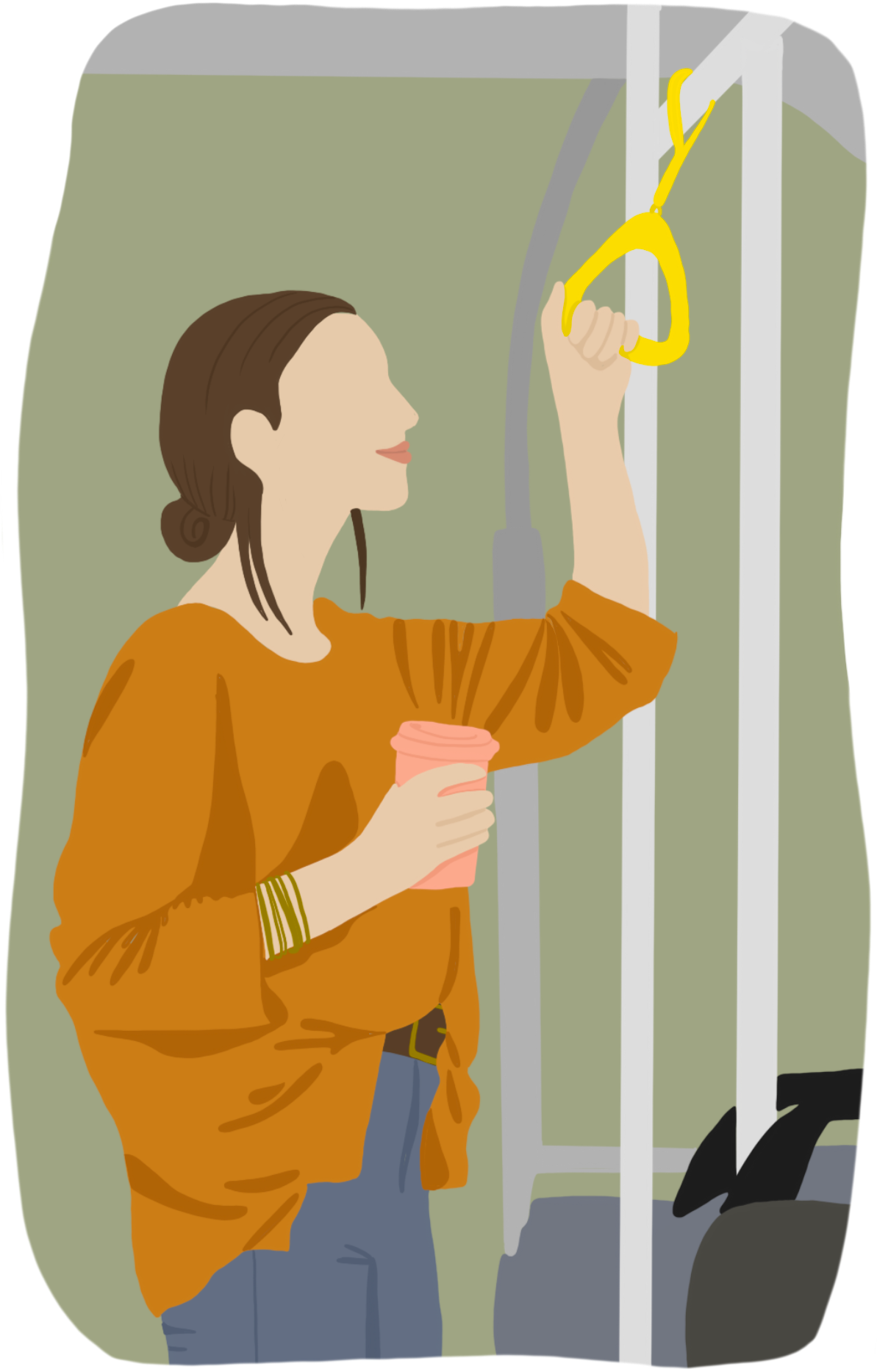
Do it while you’re on the train on your way to work, do it at every red light in the car on the way home, do it while you are waiting for your nails to dry, or do it while you wait for the microwave to ding!
Vaginismus is often confused with other painful disorders in the vulvar area, such as the more commonly diagnosed vulvodynia, in which pain is often brought on by underwear or clothing rubbing against the vulva, and could be intensified during sexual activity.